Using 3D Renders for Successful Planning Permit Applications


The Role of 3D Renders in Planning Permit Applications
Securing a planning permit can be a complex process, often involving multiple stakeholders and numerous requirements. One tool that has become increasingly crucial in this process is the use of 3D renders. These visual representations bring designs to life, providing a clear and comprehensive view of proposed projects. By leveraging 3D renders, applicants can enhance their planning permit applications and facilitate a smoother approval process.
Enhancing Clarity with Visual Representation
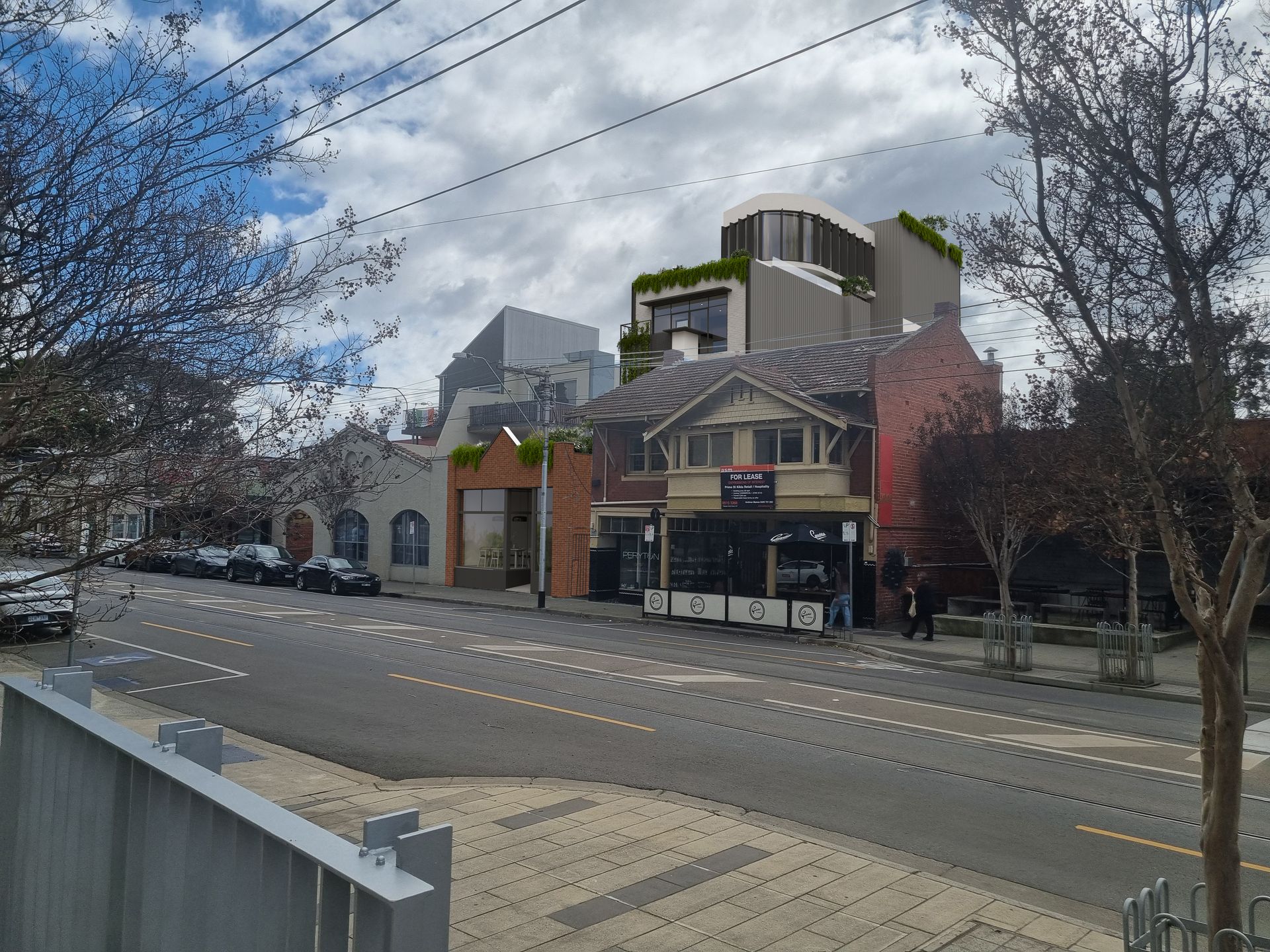
One of the primary benefits of using 3D renders is the enhanced clarity they offer. Traditional blueprints and sketches can often be difficult for non-professional stakeholders to interpret. In contrast, 3D renders provide a realistic depiction of the finished project, making it easier for all parties involved to understand the design intentions. This clarity can reduce misunderstandings and objections, leading to more efficient decision-making.
Moreover, 3D renders allow planners to visualize the project's impact on the surrounding environment. By incorporating the existing landscape into the renderings, planners can assess factors such as shadows, aesthetic compatibility, and spatial relationships. This comprehensive view can aid in addressing potential concerns early in the process.
Facilitating Communication Among Stakeholders
Effective communication is key to a successful planning permit application. 3D renders serve as an invaluable tool for facilitating discussions among architects, developers, city planners, and community members. With a clear visual reference, all parties can engage in more informed and productive dialogues.
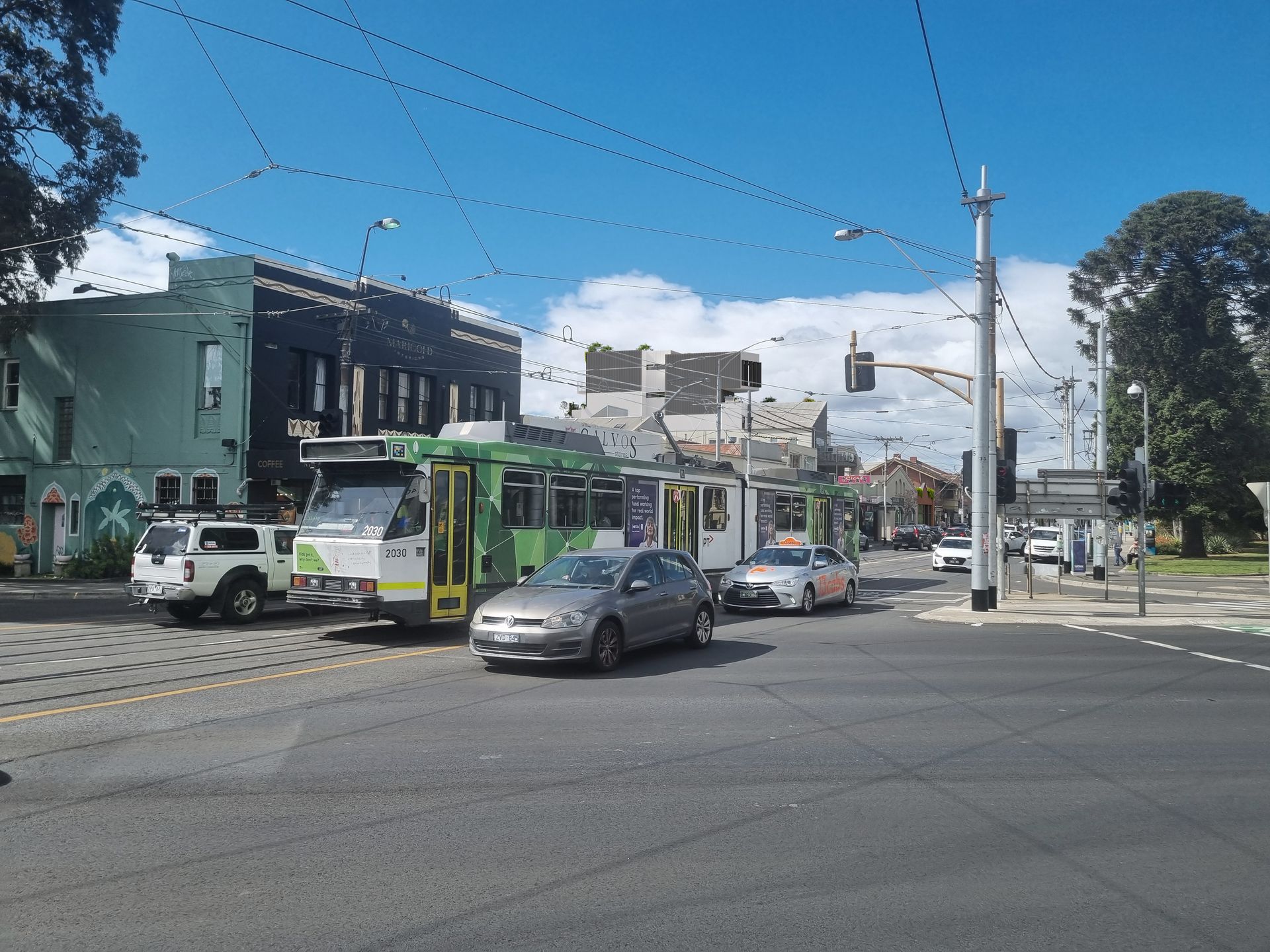
Additionally, 3D renders can be instrumental during public consultations. They provide community members with a tangible sense of what the proposed development will look like upon completion. This transparency can help alleviate public concerns and foster trust in the development process.
Highlighting Key Features and Benefits
Another advantage of using 3D renders is their ability to highlight key features and benefits of a project. Whether it’s sustainable design elements, innovative architecture, or community amenities, 3D renders can showcase these aspects in detail. By emphasizing these features visually, applicants can strengthen their case for approval by aligning the project with planning goals and community values.
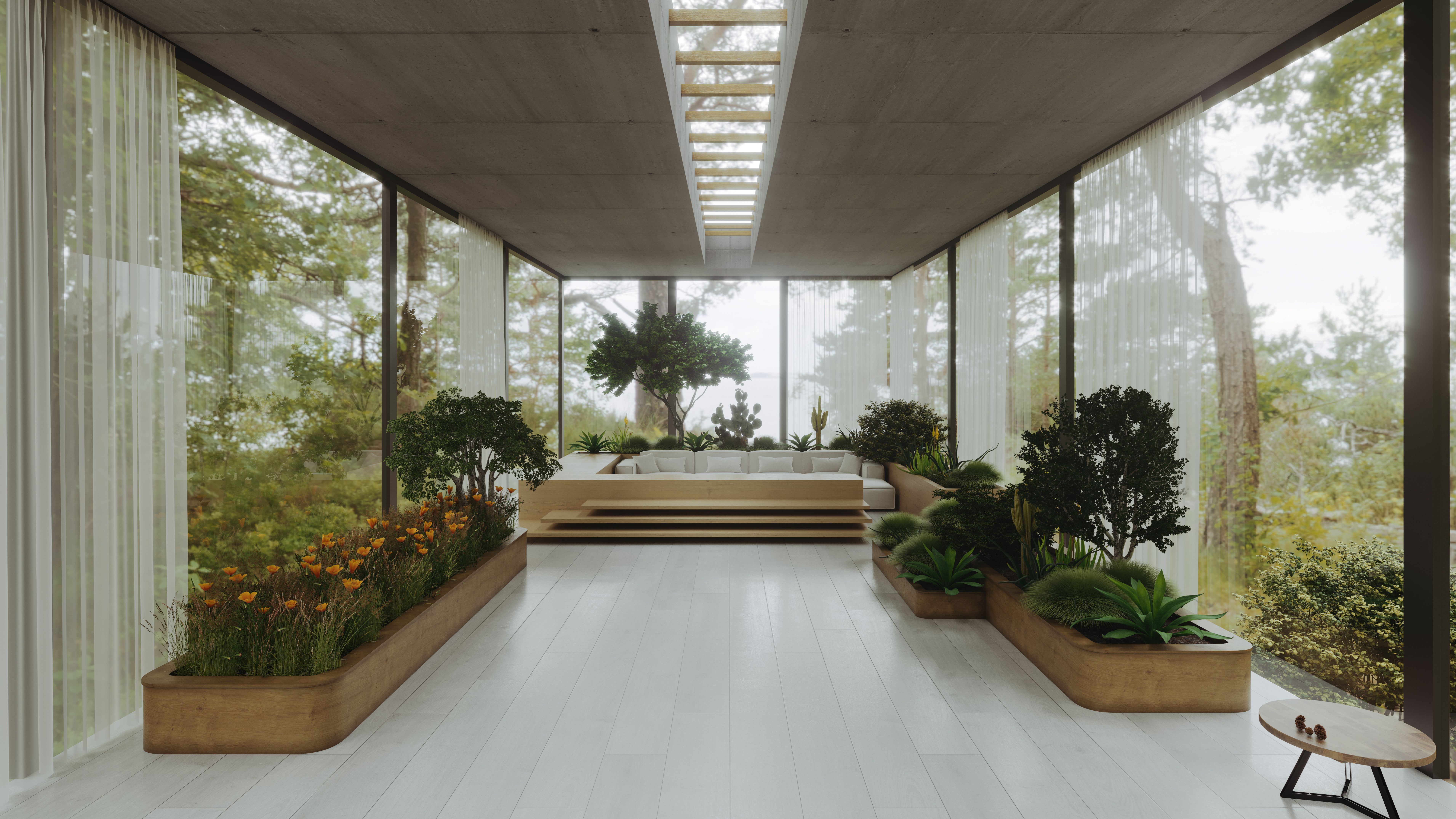
Furthermore, 3D renders can be used to create compelling presentations that complement written submissions. These presentations can be tailored to emphasize specific aspects of the project that are likely to resonate with decision-makers.
Streamlining the Approval Process
Ultimately, the use of 3D renders can streamline the approval process for planning permit applications. By providing a clear and detailed depiction of the proposed development, applicants can preemptively address potential concerns and make adjustments before submission. This proactive approach can result in fewer revisions and delays, expediting the overall timeline.
In conclusion, leveraging 3D renders in planning permit applications offers numerous advantages. From improving understanding and communication to highlighting key features and streamlining approvals, these visual tools are invaluable in navigating the complexities of planning permissions. As development projects become increasingly sophisticated, the role of 3D rendering in planning applications will continue to grow in importance.