Understanding 3D Massing and Its Impact on Urban Planning


Introduction to 3D Massing
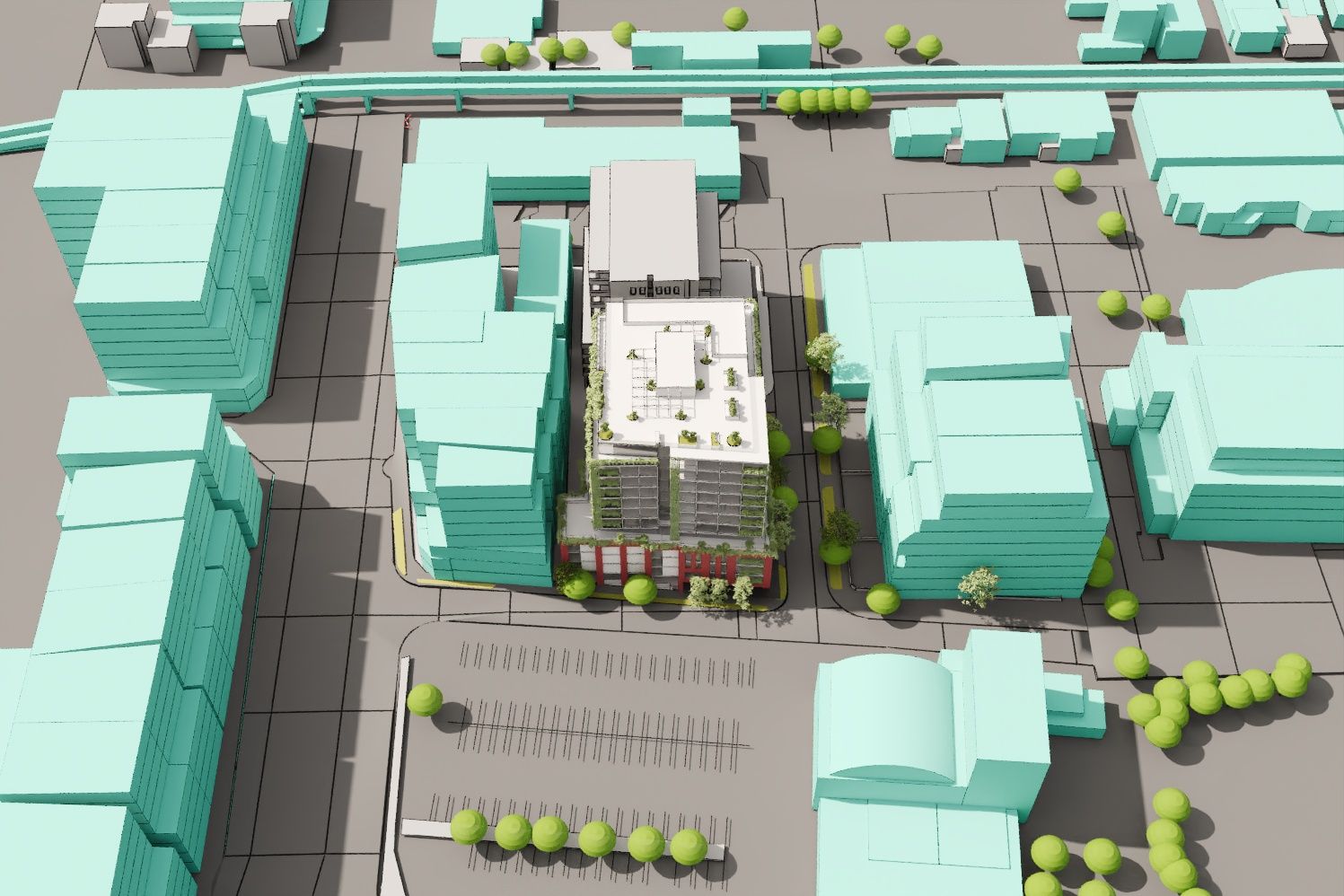
In the realm of urban planning, the concept of 3D massing plays a pivotal role. It involves the creation of simplified three-dimensional representations of buildings and structures. These models help architects, planners, and stakeholders visualize the spatial organization of an area, allowing for informed decision-making in the planning process.
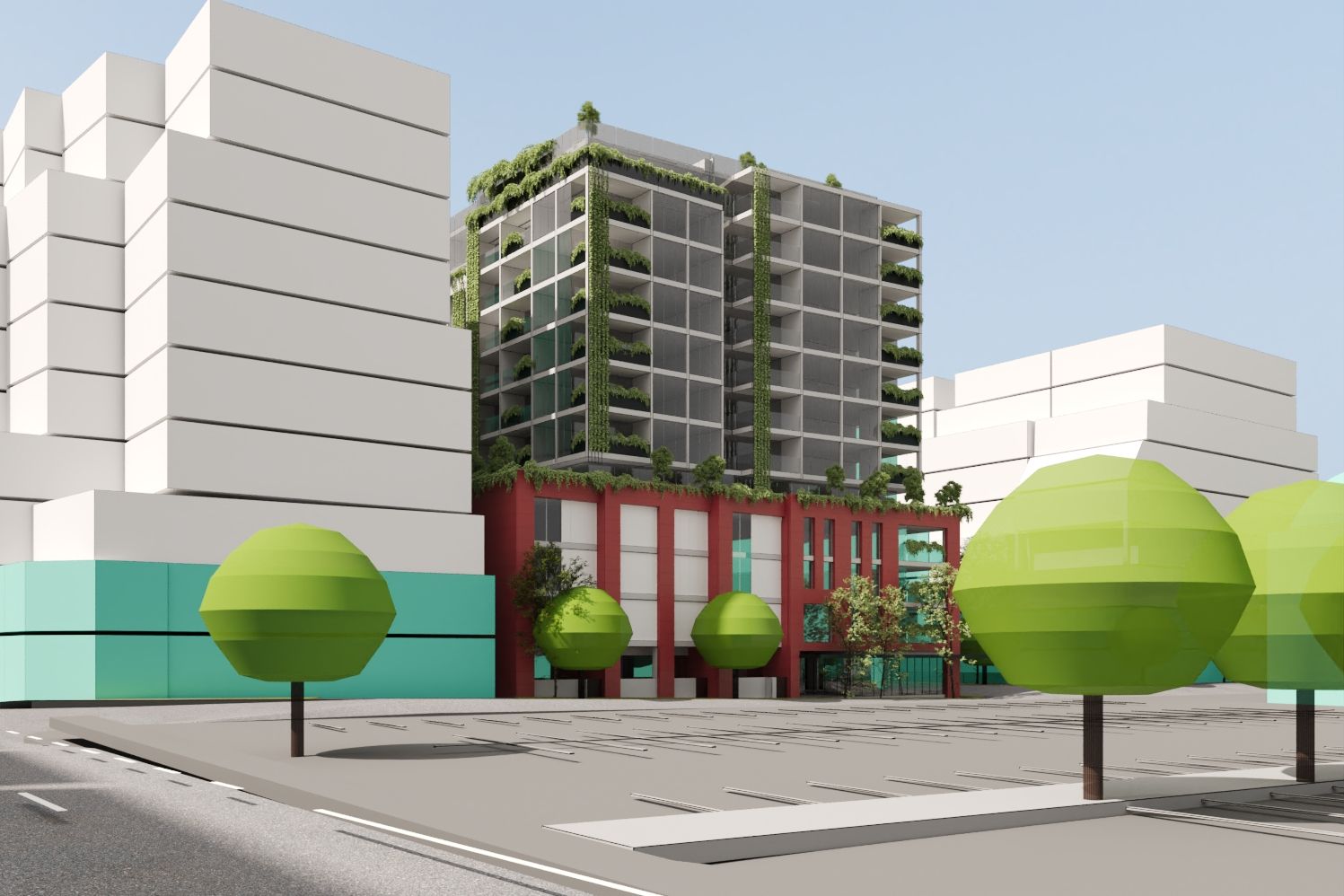
3D massing models are crucial in understanding the scale, form, and impact of potential developments on their surrounding environments. They provide a visual reference that is essential for assessing the feasibility and aesthetics of new projects.
The Role of 3D Massing in Urban Planning
Urban planners utilize 3D massing to evaluate how new developments will fit into existing urban landscapes. By using these models, planners can assess the compatibility of new structures with their surroundings in terms of height, density, and visual impact.
This process aids in maintaining the character of a neighborhood while accommodating growth. Moreover, 3D massing can help identify potential issues, such as overshadowing, loss of privacy, and obstruction of views, before they become problematic.
Enhancing Communication with Stakeholders
Effective communication with stakeholders is crucial in urban planning. 3D massing models serve as a powerful tool for engaging with community members, developers, and local authorities. By providing a tangible representation of proposed developments, these models facilitate discussions and negotiations.
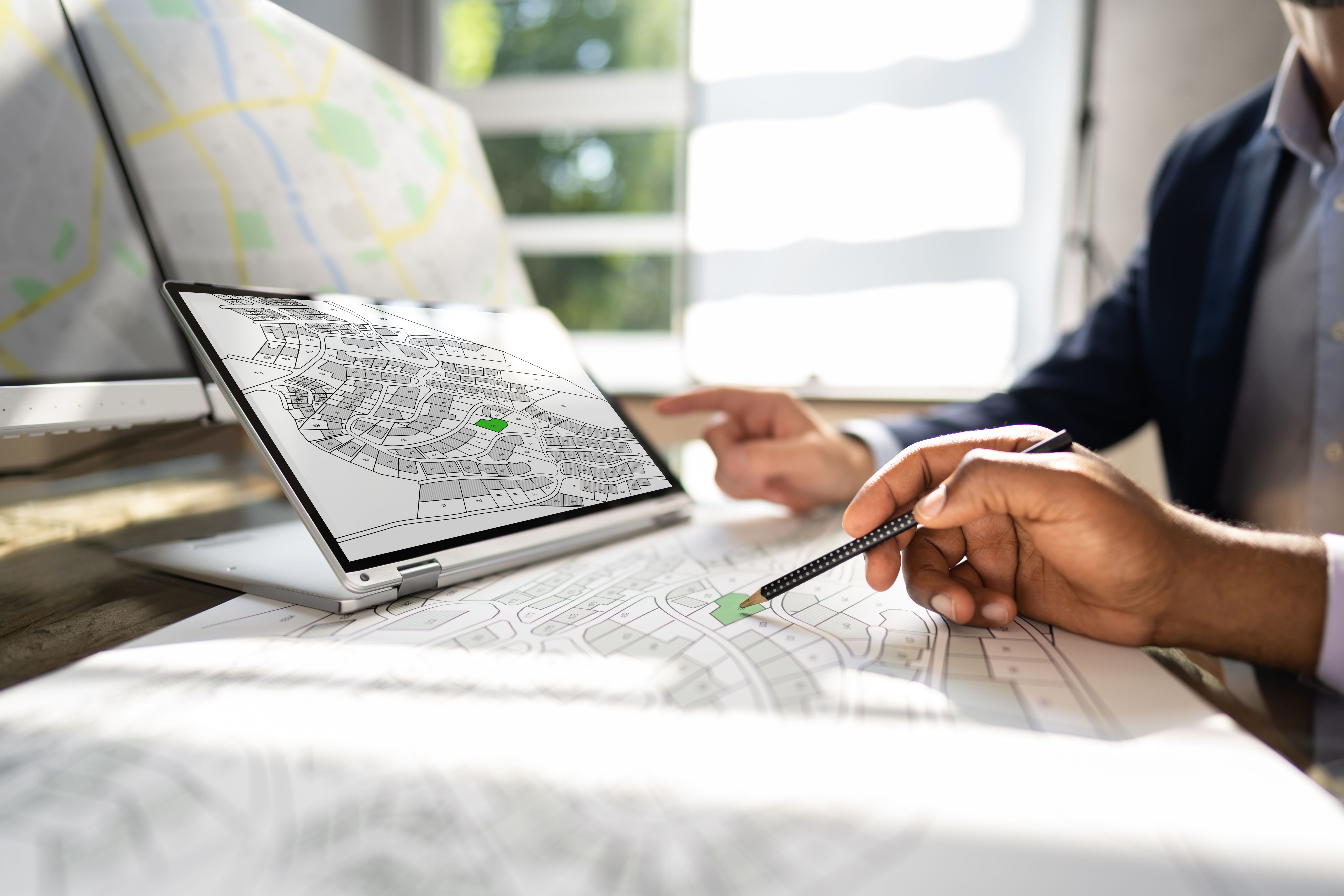
Stakeholders can better understand the implications of a project through visualizations rather than abstract plans or drawings. This transparency fosters trust and collaboration among all parties involved.
Technological Advancements in 3D Massing
The advent of advanced software and technology has revolutionized the creation of 3D massing models. Tools such as Building Information Modeling (BIM) and Geographic Information Systems (GIS) enable planners to create detailed and accurate representations of urban environments.
These technologies allow for the integration of real-time data, enhancing the ability to make informed decisions quickly. As technology continues to evolve, the precision and functionality of 3D massing models will only improve.
Case Studies in Successful Urban Planning
Several cities have successfully used 3D massing in their urban planning initiatives. For instance, Singapore has employed this technique to manage its limited land resources effectively, ensuring that new developments align with the city’s vision for sustainable growth.
Similarly, cities like New York and London have used 3D massing to preserve historical areas while accommodating modern infrastructure. These case studies highlight the versatility and importance of 3D massing in contemporary urban planning.
Conclusion
Understanding 3D massing and its role in urban planning is essential for creating harmonious and sustainable urban environments. As cities continue to grow and evolve, the use of these models will be integral to ensuring that developments are both functional and aesthetically pleasing.
Urban planners must continue to embrace technological advancements in 3D modeling to enhance their ability to design cities that meet the needs of their inhabitants while preserving the unique character of each locale.