The Impact of Seasonal Changes on 3D Rendering Projects


As the seasons change, so do the dynamics of 3D rendering projects. Whether you're creating architectural visualizations or intricate animations, understanding how different times of the year can impact your work is crucial for delivering high-quality results.
The Influence of Natural Light
One of the most significant factors affected by seasonal changes is natural light. The angle and intensity of sunlight vary throughout the year, which can dramatically alter the appearance of your 3D renders. During summer, the sun is higher in the sky, providing brighter and more direct light. In contrast, winter brings softer and more diffused lighting conditions.
For architects and designers, simulating these lighting conditions accurately can make a project more realistic and appealing. It’s essential to adjust your lighting settings to match the season depicted in your render.

Adjusting for Shadows and Highlights
Seasonal changes in light also affect shadows and highlights. Longer shadows in winter can add depth and drama to your scenes, while shorter, sharper shadows in summer can create a more dynamic atmosphere. Consider these factors when setting up your lighting to enhance the realism of your project.
Color Variations Across Seasons
The color palette of your 3D renders can also be influenced by the seasons. Spring and summer often bring vibrant, lush colors, while autumn introduces warm, earthy tones. Winter, on the other hand, may require a cooler, more subdued palette.
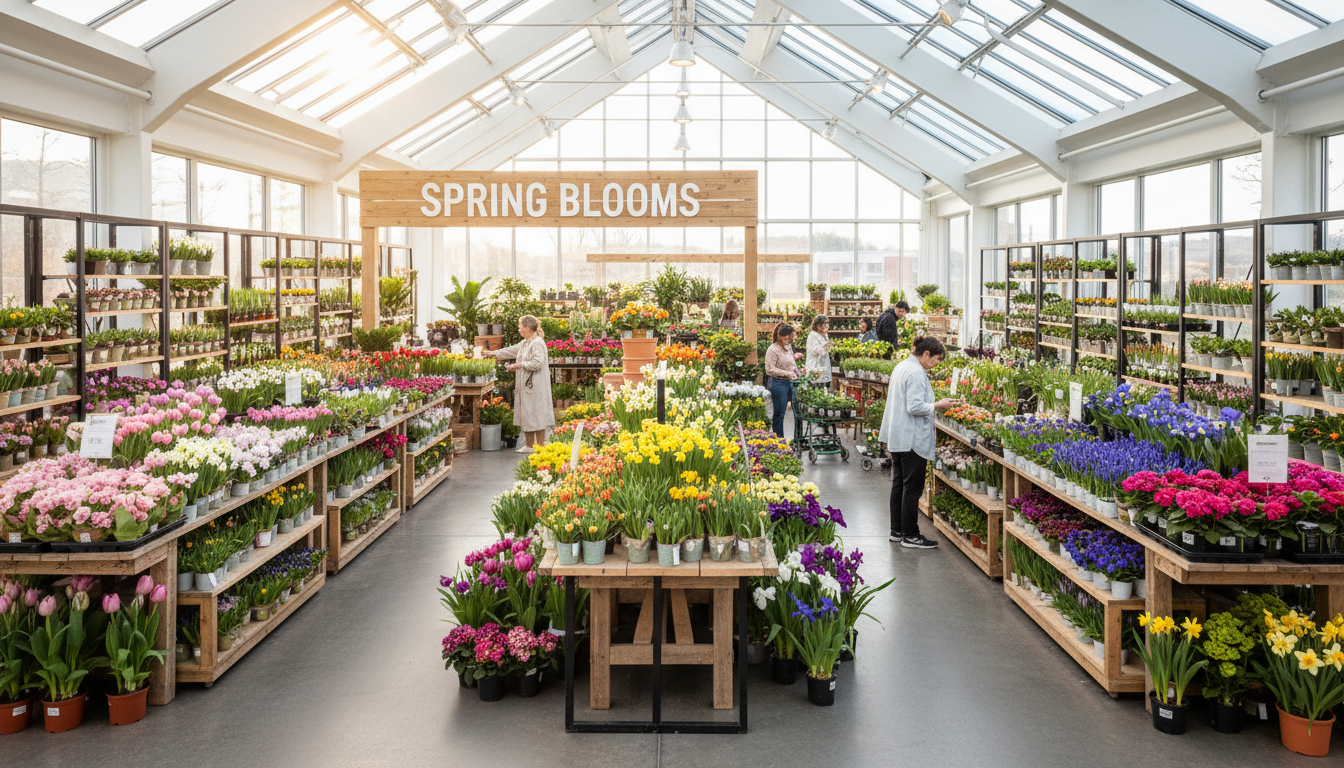
Incorporating these seasonal color variations can add an extra layer of authenticity to your projects. It’s beneficial to study real-world environments during different times of the year to accurately replicate these colors in your renders.
Materials and Textures
Another aspect to consider is how materials and textures respond to seasonal changes. For instance, snow and ice in a winter scene can add unique textures and reflectivity, while wet surfaces in a rainy autumn setting can enhance realism.

Technical Considerations
From a technical standpoint, rendering times may vary depending on the complexity of seasonal effects. More detailed lighting and texturing can increase rendering demands, requiring more powerful hardware or optimized software solutions.
Optimizing Render Settings
To manage these challenges, it’s crucial to optimize your render settings. This might involve adjusting the number of light sources, tweaking shadow quality, or using higher-quality textures sparingly. Balancing these factors can help maintain efficiency without compromising quality.
By understanding and adapting to the impact of seasonal changes, you can elevate your 3D rendering projects, making them more realistic and engaging. Whether it's capturing the essence of a sunlit summer day or the serene stillness of winter, these considerations will ensure your work stands out.