The Art of 3D Renders: Transforming Architectural Visions into Reality


The art of 3D rendering has revolutionized the way architects and designers bring their visions to life. These photorealistic images provide a window into the future, allowing clients and stakeholders to experience a project before the first brick is laid. By leveraging advanced software and skilled artistry, 3D renders transform abstract ideas into tangible realities.
The Evolution of 3D Rendering
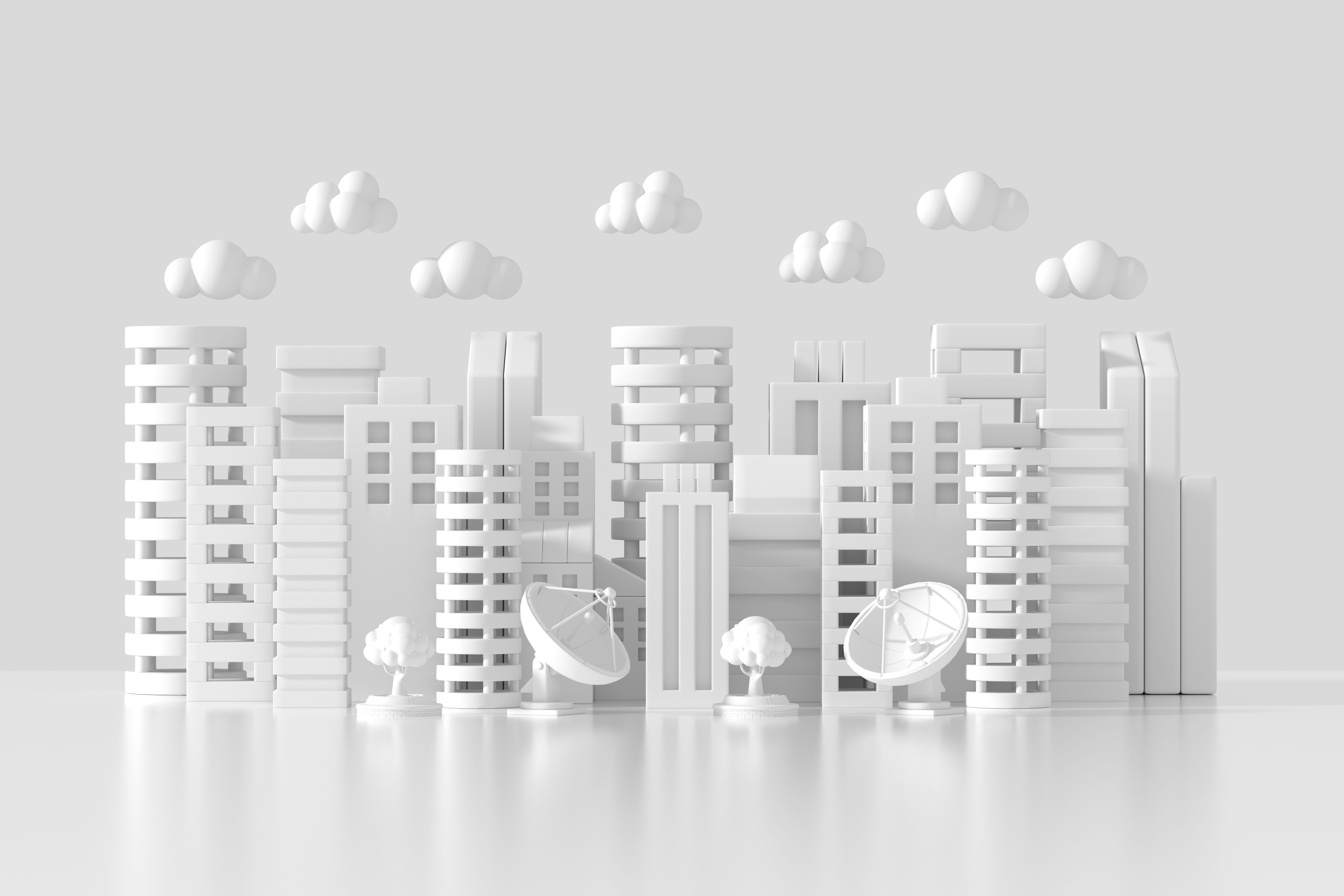
Initially, architectural drawings were limited to blueprints and sketches. However, with the advent of computer technology, these static images evolved into dynamic 3D models. This transition has not only enhanced visualization but also improved accuracy and efficiency in the design process. Today's 3D renders are capable of capturing minute details, offering a comprehensive view of a project's potential.
Modern rendering techniques harness the power of real-time rendering engines, allowing for immediate modifications and feedback. This adaptability is invaluable in streamlining communication between architects, clients, and contractors, ensuring that everyone is on the same page.
The Creative Process Behind 3D Renders
The creation of a 3D render begins with a detailed understanding of the project's scope and vision. Architects and designers collaborate to gather the necessary data, including floor plans, elevations, and material specifications. This information is then translated into a digital model using specialized software.
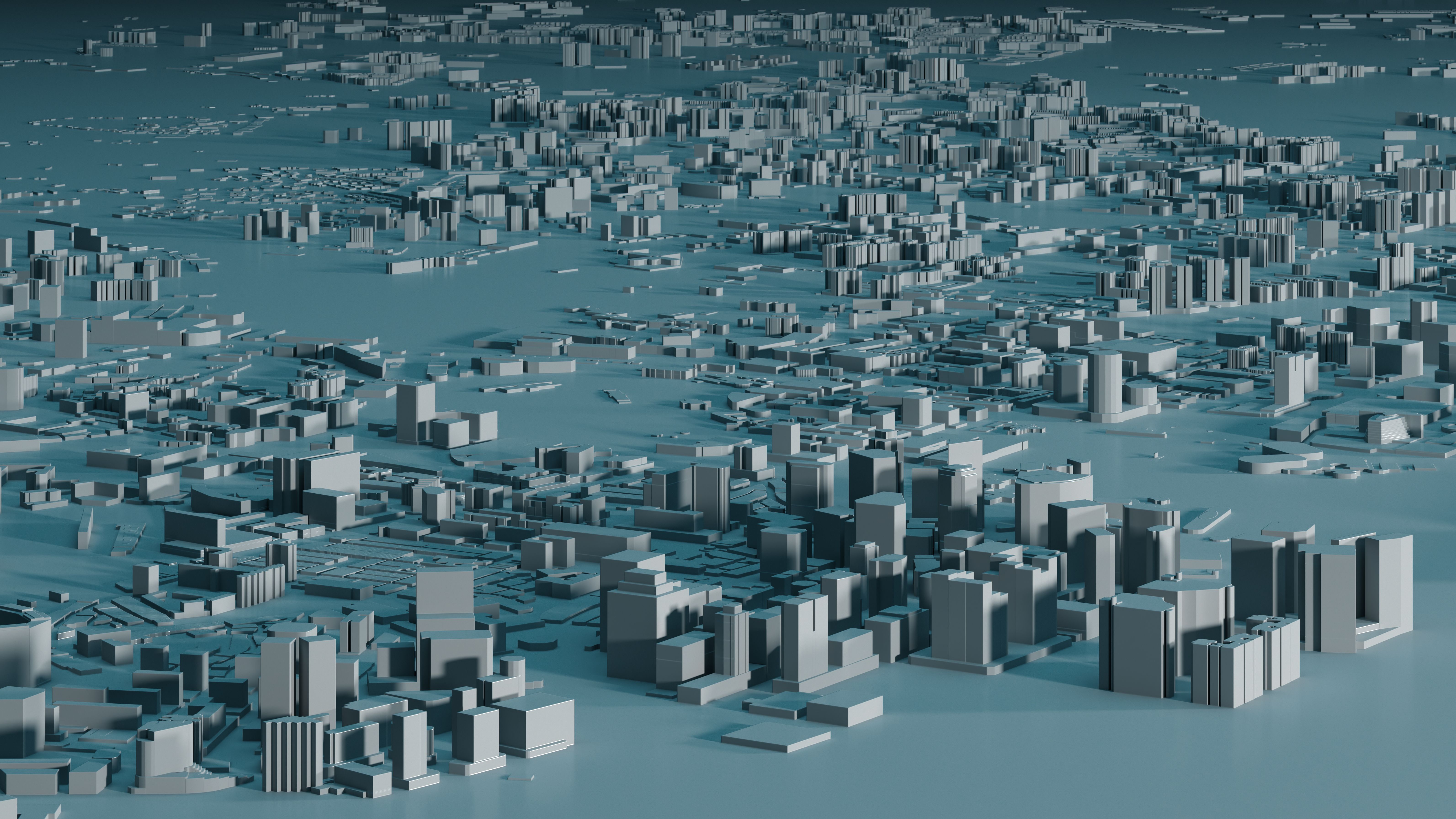
Once the basic model is complete, artists add textures, lighting, and environmental details to enhance realism. This stage is crucial, as it transforms flat models into lifelike representations. By adjusting shadows, reflections, and color palettes, render artists can evoke specific moods and atmospheres, aligning the visual output with the intended design narrative.
The Impact of 3D Renders on Client Engagement
3D renders play a pivotal role in client presentations, offering an immersive experience that static images cannot match. Clients can virtually walk through a space, grasping the scale and functionality of the design. This interactive element not only boosts confidence in the project but also aids in decision-making.
Moreover, 3D renders facilitate effective marketing strategies. High-quality visuals can be utilized in promotional materials, websites, and social media campaigns, attracting potential buyers and investors. By presenting a finished product before construction, developers can generate interest and secure commitments early in the process.

Challenges and Solutions in 3D Rendering
Despite its advantages, 3D rendering is not without challenges. The process can be time-consuming and requires a blend of technical and artistic skills. Additionally, achieving photorealism demands high computing power and sophisticated software, which can be costly.
To overcome these hurdles, many firms invest in training and cutting-edge technology. Outsourcing to specialized rendering studios is another viable option, allowing companies to access expertise without a steep learning curve. By prioritizing quality and efficiency, the architectural industry continues to push the boundaries of what's possible with 3D rendering.
The Future of 3D Rendering in Architecture
As technology continues to evolve, the future of 3D rendering in architecture looks promising. Innovations in virtual reality (VR) and augmented reality (AR) are set to further enhance visualization capabilities, offering even more immersive and interactive experiences. These advancements will continue to bridge the gap between vision and reality, ensuring that architectural dreams become tangible successes.
Ultimately, the art of 3D rendering is about more than just creating beautiful images. It's a powerful tool that transforms how we conceive, design, and experience spaces, paving the way for a more dynamic and connected architectural landscape.