Navigating Planning Permits with Expert Renders


Understanding Planning Permits
Planning permits are a crucial aspect of any construction or renovation project. These permits ensure that your project complies with local zoning laws and building codes, safeguarding both the environment and community interests. Navigating the planning permit process can be complex, requiring careful attention to detail and a thorough understanding of regulations.
Whether you are a seasoned developer or a homeowner looking to make improvements, understanding the intricacies of planning permits is essential. The process can vary significantly depending on your location, the scope of your project, and specific local regulations.
The Role of Expert Renders in Planning
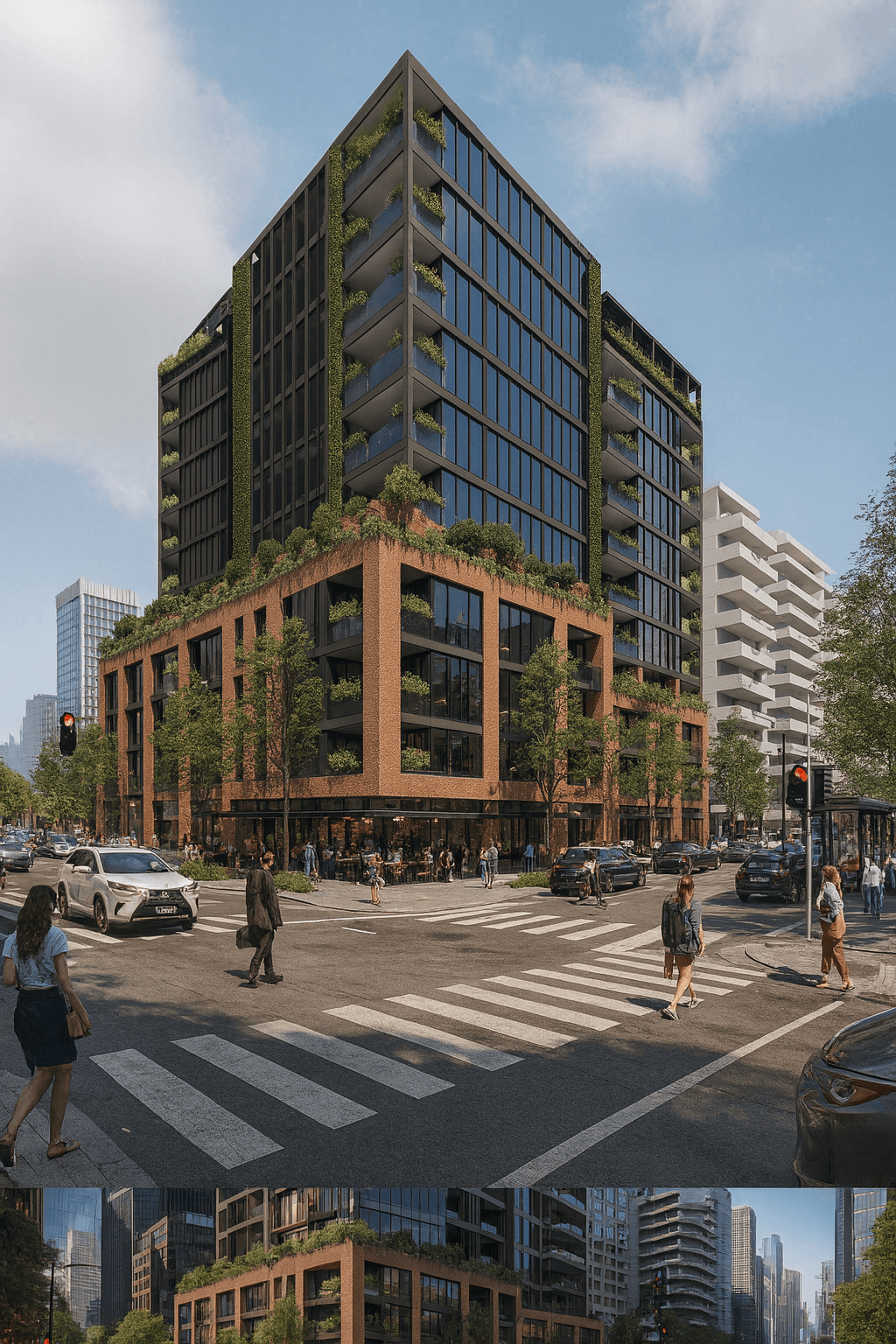
Expert renders play a pivotal role in the planning permit process by providing detailed visual representations of your proposed project. These high-quality images help convey your vision to planning authorities, making it easier to demonstrate compliance with local regulations.
Renders allow stakeholders to visualize how a project will integrate with its surroundings, providing clarity and enhancing communication. This is particularly beneficial when addressing concerns from neighbors or community groups who may be affected by the proposed development.

Enhancing Communication with Stakeholders
One of the primary advantages of using expert renders is improved communication with stakeholders. By presenting a clear and accurate visual representation of your project, you can effectively communicate your intentions and address any potential objections.
Stakeholders can include local government officials, community members, or investors, all of whom may have different priorities and concerns. Renders provide a common ground for discussion, enabling a smoother approval process.
Steps to Navigate Planning Permits
Successfully navigating planning permits involves several critical steps:
- Research Local Regulations: Before starting your project, research the specific regulations and requirements in your area. This will help you understand what is permitted and what may require special permissions.
- Consult with Professionals: Engage with architects, engineers, or planning consultants who have experience with local regulations to guide you through the process.
- Prepare Detailed Documentation: Ensure that all necessary documentation is accurate and comprehensive, including site plans, renderings, and environmental impact assessments if needed.
- Submit Your Application: Submit your application to the appropriate local authority, ensuring all forms are completed correctly.
- Respond to Feedback: Be prepared to address any feedback or requests for additional information from planning authorities.

The Importance of Accurate Documentation
Accurate documentation is essential for a successful planning permit application. This includes detailed site plans, renderings, and any other required reports. Incomplete or inaccurate documentation can lead to delays or even denial of your application.
Working with experienced professionals who understand the local planning process can help ensure that all documentation is complete and complies with relevant regulations. This can save time and reduce the likelihood of costly setbacks.
Conclusion: Streamlining the Permit Process
Navigating the planning permit process can be challenging, but with careful preparation and the assistance of expert renders, it becomes significantly more manageable. By understanding local regulations, preparing detailed documentation, and effectively communicating with stakeholders, you can streamline the approval process and bring your vision to life.
Engaging with professionals who specialize in planning permits and renders can provide valuable guidance and support throughout this complex journey. Ultimately, their expertise can be instrumental in achieving a successful outcome for your project.