How Animation Elevates 3D Massing Models


Understanding 3D Massing Models
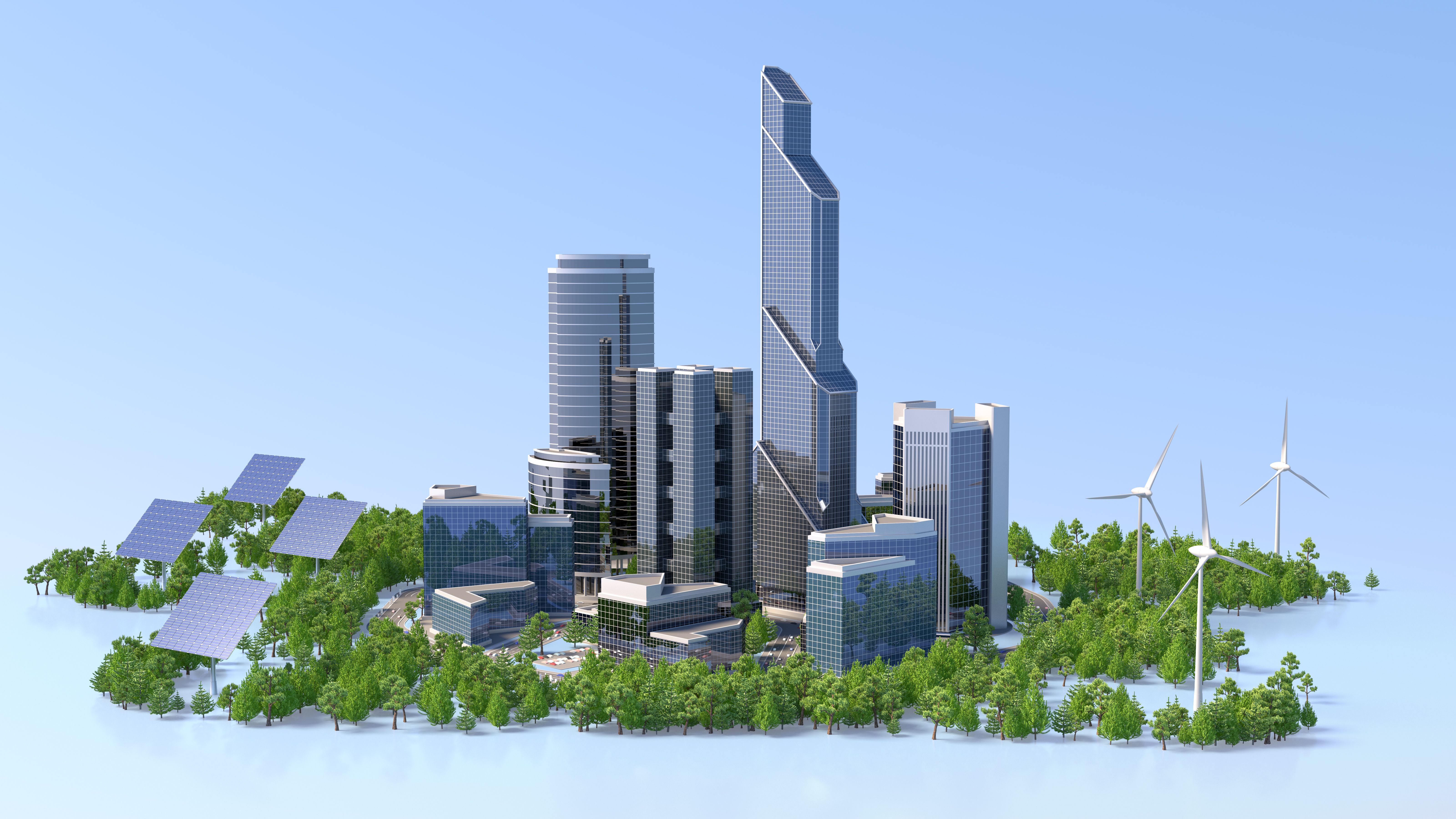
In the world of architecture and urban planning, 3D massing models are a crucial tool for visualizing the spatial arrangement and overall form of a project. These models serve as a preliminary step in design, providing a basic representation of the project’s volume without intricate details. They help architects and planners to assess various design options quickly and efficiently.
Traditionally, these models are static, offering a snapshot of potential designs. However, integrating animation into these models can significantly enhance their utility and impact, offering a more immersive experience for stakeholders.
The Role of Animation in Enhancing Visualization
Animation brings 3D massing models to life by adding a dynamic element to the design process. Instead of viewing a single standpoint, stakeholders can experience a virtual walkthrough of the project, understanding its scale and spatial relationships in a more intuitive way. This dynamic perspective is invaluable in communicating design intent to clients and collaborators who may not be familiar with architectural drawings.
Animations can also simulate environmental factors such as sunlight movement, shadow casting, and even pedestrian traffic. These simulations provide insights into how the project interacts with its environment throughout different times of the day and year, helping to make informed design decisions.
Advantages of Animated 3D Models
One of the most significant benefits of using animation in 3D massing models is improved stakeholder engagement. By presenting designs in a more interactive manner, architects can capture the attention and imagination of their audience. This engagement often leads to more productive feedback sessions and collaborative decision-making processes.
Moreover, animated models can streamline the approval process. Stakeholders, including clients and regulatory bodies, can better understand and visualize the project’s impact, reducing misunderstandings and potential disputes. This clarity often results in faster approvals and smoother project progress.
Cost-Effective Communication Tool
While creating animated 3D models may seem costly upfront, they can actually save money in the long run. By identifying potential design flaws early in the process through comprehensive visualization, costly revisions during later stages can be minimized. Additionally, animations can serve as persuasive marketing tools for developers seeking investment or public support.
In real estate marketing, for instance, animations can showcase a property’s potential before construction even begins, attracting buyers or tenants with a compelling visual story.

Integrating Animation into Your Workflow
For firms looking to incorporate animation into their workflow, there are numerous software options available that cater to different skill levels and project needs. From user-friendly platforms for quick animations to more sophisticated tools for detailed simulations, there is a solution for every requirement.
It is important to train personnel adequately or consider collaborating with specialists in architectural visualization to ensure high-quality outputs. As technology continues to evolve, staying ahead of these trends can provide a competitive edge in the industry.
Conclusion: Embracing the Future of Design Visualization
Animation is transforming the way we approach 3D massing models, turning them from static representations into dynamic storytelling tools. By enhancing visualization and communication, animations offer a powerful means to explore, evaluate, and express design ideas. As the architecture and planning industries continue to embrace digital innovation, animation stands out as an indispensable asset for any forward-thinking practice.