Common Misconceptions About 3D Visualization Debunked


Understanding 3D Visualization
3D visualization has become an integral part of various industries, from architecture to gaming. Yet, misconceptions about what it entails and how it works persist. These myths can lead to underutilization or misapplication of this powerful tool. In this article, we'll debunk some of the most common misconceptions about 3D visualization.
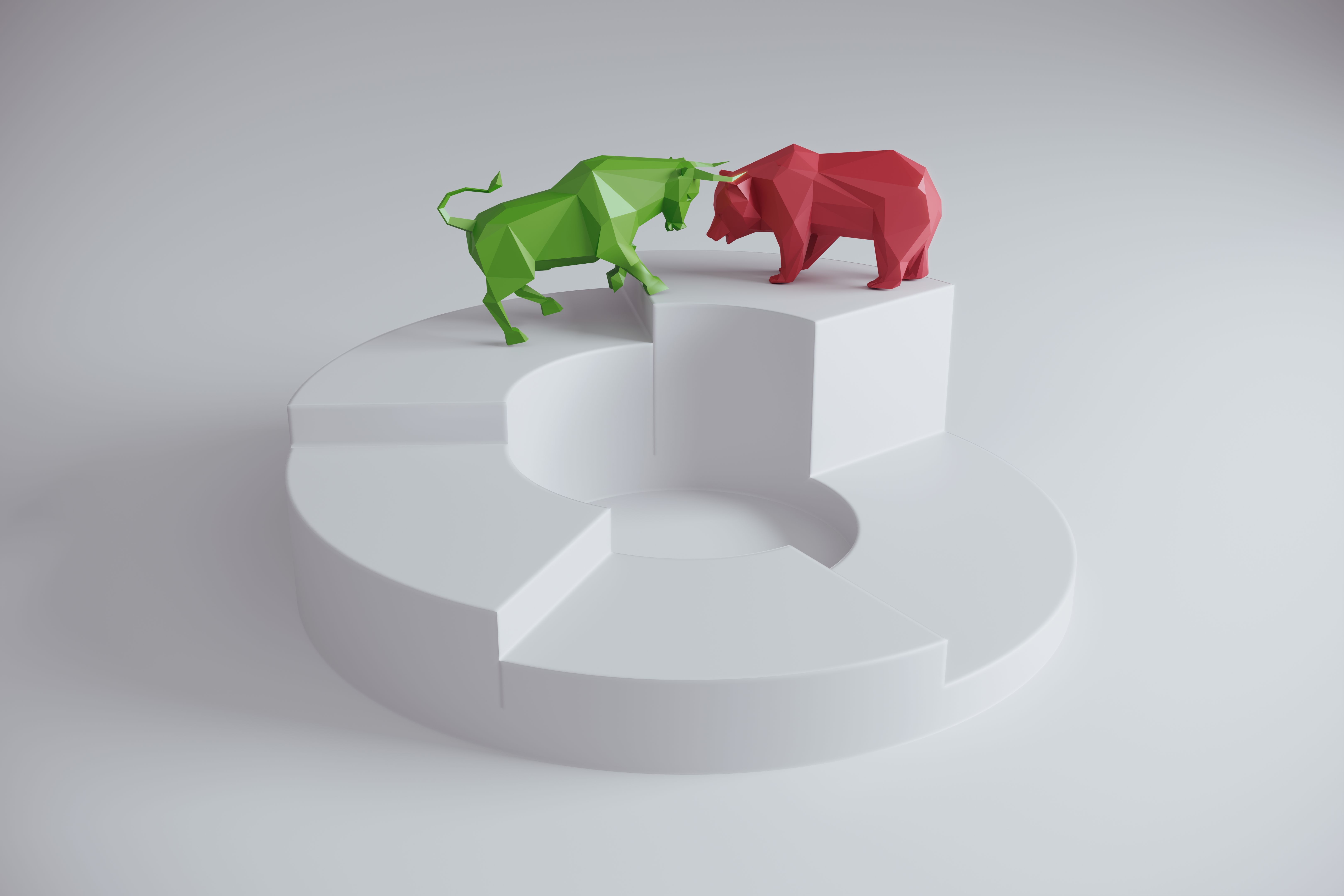
Misconception 1: 3D Visualization Is Only for Experts
A common myth is that 3D visualization is a complex process suitable only for experts. While it's true that creating high-quality 3D models requires skill, many user-friendly tools have emerged, making it accessible to beginners and professionals alike. Today, software solutions offer intuitive interfaces that allow users to create impressive visualizations without extensive training.
Misconception 2: It's Too Expensive
Another widespread belief is that 3D visualization is prohibitively expensive. While top-tier software and professional services can be costly, there are affordable and even free options available. Additionally, the cost of 3D visualization can be offset by the benefits it provides, such as improved design accuracy and enhanced communication with stakeholders.

Misconception 3: It's Only for Large-Scale Projects
Many people think 3D visualization is only beneficial for large-scale projects, like skyscrapers or Hollywood movies. In reality, businesses of all sizes can benefit from 3D visualization. Whether you're designing a small product prototype or a modest residential building, 3D visualization can provide valuable insights and enhance the design process.
Benefits of 3D Visualization
Understanding the advantages of 3D visualization can help dispel these myths. Here are some key benefits:
- Improved Communication: 3D models provide a clear, tangible representation of ideas, facilitating better communication among team members and clients.
- Enhanced Creativity: Designers can explore more creative solutions by visualizing different scenarios and options.
- Cost Efficiency: Early detection of design flaws can save both time and money, preventing costly revisions later on.
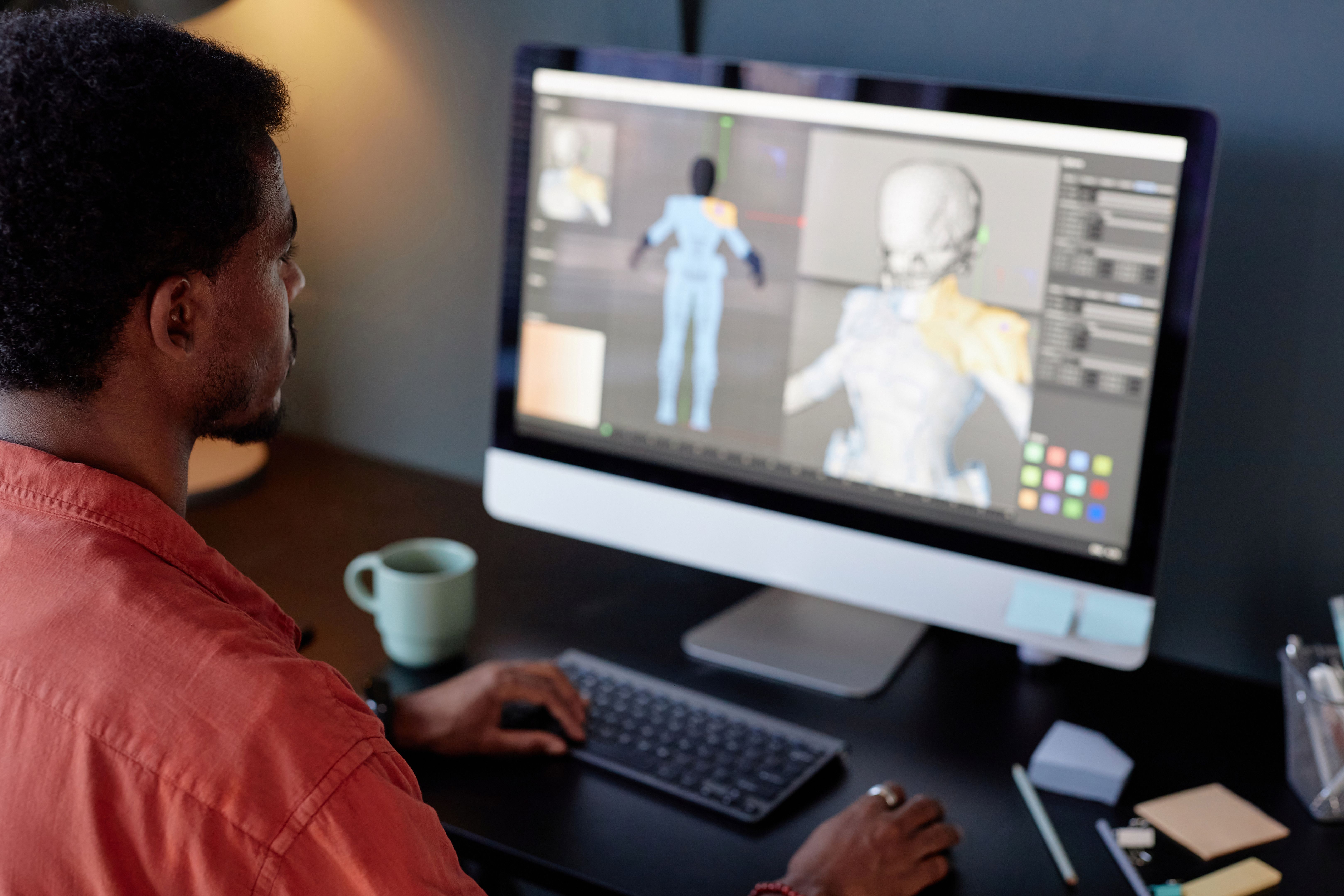
Misconception 4: It Replaces Traditional Methods
Some believe that 3D visualization will completely replace traditional design methods. However, it is more accurate to see it as a complementary tool. Traditional sketches and physical models still play a crucial role in the creative process, providing unique insights that digital models may not capture. 3D visualization enhances these methods by adding depth and detail.
Misconception 5: It's Only for Visual Appeal
While 3D visualization certainly boosts the aesthetic appeal of presentations, its utility goes far beyond that. It allows for complex simulations, such as stress tests in engineering or lighting studies in architecture. These capabilities make it an indispensable tool for analyzing and improving designs.

Conclusion
By debunking these common misconceptions, we hope to encourage more individuals and businesses to explore the potential of 3D visualization. Whether you are a seasoned professional or a curious beginner, embracing this technology can lead to significant advancements in creativity, efficiency, and communication.