Case Study: Achieving Architectural Excellence with 3D Renders


Introduction to 3D Renders in Architecture
In the ever-evolving world of architecture, visual communication plays a pivotal role in bridging the gap between design concepts and client expectations. 3D rendering has revolutionized this process, allowing architects to present their visions with unparalleled clarity and precision. In this case study, we explore how a leading architectural firm leveraged 3D renders to achieve excellence in their projects.
The Power of Visual Communication
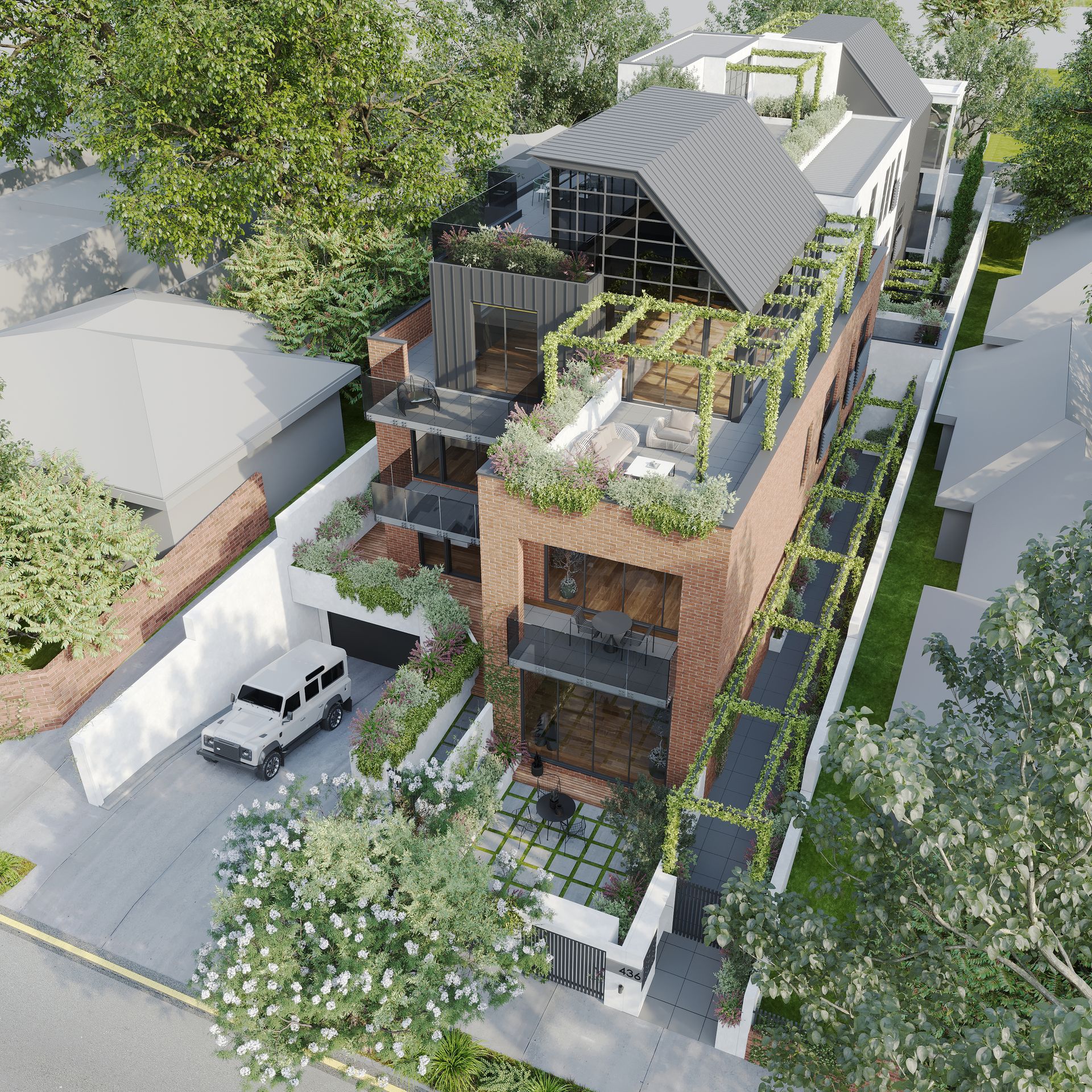
3D renders provide a realistic visual representation of architectural designs, which helps clients and stakeholders visualize the final outcome long before construction begins. This technology enables architects to showcase intricate details, materials, and lighting effects that traditional drawings cannot convey. As a result, clients gain a better understanding of the project, leading to more informed decision-making.
Furthermore, 3D renders facilitate seamless collaboration among team members. Architects, designers, and engineers can work together more effectively by visualizing the project in a virtual environment. This collaborative approach helps identify potential issues early on, ensuring a smoother workflow and reducing costly revisions later in the project.
Case Study: Transforming Vision into Reality
Our case study focuses on a boutique residential complex designed by Terry Harper Architects. The firm aimed to create a sustainable living environment that seamlessly integrates with the surrounding landscape. By utilizing 3D rendering technology, they were able to:
- Visualize complex design elements and spatial arrangements.
- Experiment with various materials and color schemes before finalizing choices.
- Enhance client presentations with immersive walkthrough experiences.

Client Engagement and Feedback
Terry Harper Architects found that incorporating 3D renders into their client presentations significantly improved engagement. Clients were able to provide more accurate feedback when they could see their future space in such vivid detail. This feedback loop was instrumental in refining the design to meet client expectations perfectly.
The ability to present photorealistic images also helped THA stand out in competitive bidding processes. Their use of cutting-edge technology demonstrated their commitment to innovation and quality, earning them the trust of potential clients and stakeholders.
Overcoming Challenges with 3D Renders
While 3D renders offer numerous advantages, they also present certain challenges. One of the primary hurdles is the time and expertise required to produce high-quality renders. Terry Harper Architects invested in specialized software and training for their team to overcome these challenges, ensuring that their renders were both accurate and compelling.
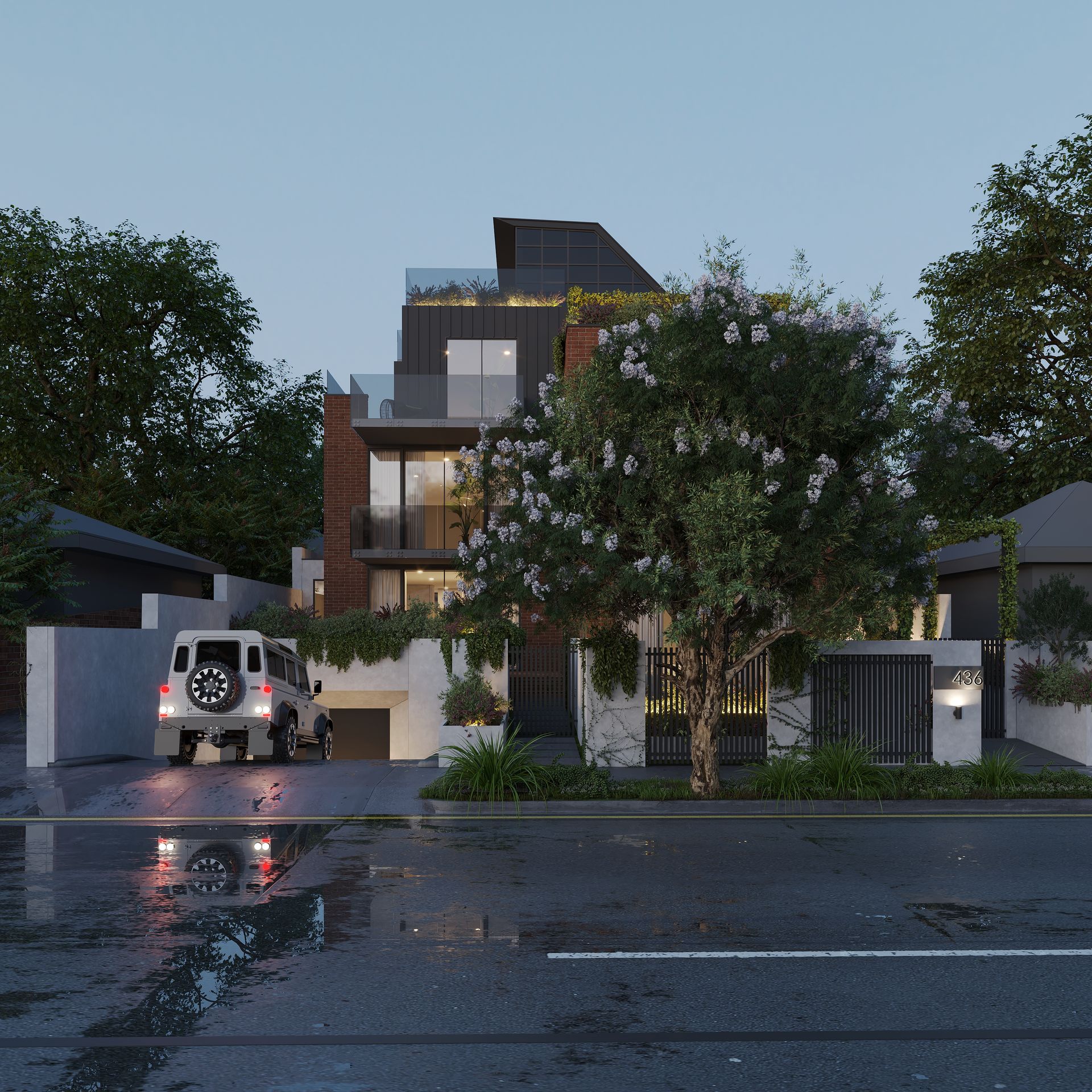
Additionally, managing client expectations based on these highly polished visuals can be challenging. It's crucial for architects to communicate that renders are conceptual representations and that some elements may change during construction. By setting realistic expectations, shadowarx and THA maintained transparency and trust with their clients.
Conclusion: The Future of Architectural Excellence
The case study of Terry Harper Architects exemplifies how 3D renders can elevate architectural projects to new heights of excellence. By embracing this technology, architects can enhance communication, streamline collaboration, and deliver designs that resonate with clients on a deeper level. As 3D rendering continues to evolve, it will undoubtedly play an increasingly vital role in shaping the future of architecture.